
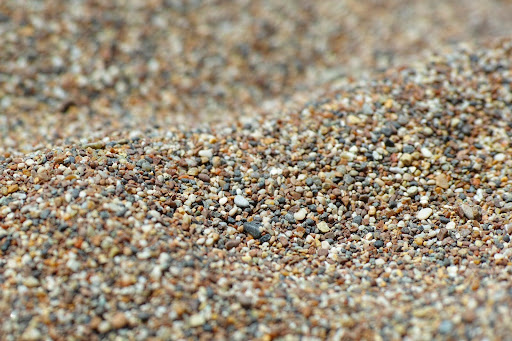
Comparing Filter Sand and Filter Gravel: Choosing the Best Media for Your Needs
The efficiency of water treatment systems largely depends on the selection of the right filter media. Whether it is a municipal drinking water plant, an industrial effluent treatment system, or a pressure sand filter, using unsuitable filter media can lead to poor turbidity removal, increased pressure drop, and higher maintenance costs.
Filter sand and filter gravel are among the most commonly used materials in water filtration; however, their roles and functions are completely different. Understanding these differences is essential to ensure that the system remains stable, efficient, and cost-effective in the long term.
In modern filtration systems, choosing the best filter media gravel and sand combination plays a critical role in long-term performance.
Understanding Filtration Media in Water Treatment
Filtration works by allowing water to pass through layers of media that trap suspended particles.
- Depending on system design, filters can be single-media or multi-media.
- Single-media filters usually rely on filter sand for particle removal.
- Multi-media filtration systems combine sand, gravel, anthracite, or activated carbon to improve efficiency and flow rates.
- In most designs, filter sand and filter gravel are used together, each performing a specific function to support overall filtration performance.
These layered systems are commonly referred to as filter media solutions in water treatment engineering.
What Is Filter Sand? Composition, Grades & Performance
Filter sand is a high-purity, silica-based media that is specially graded to maintain uniform particle size. Its angular or sub-angular grains effectively trap suspended solids and improve water clarity.
Filter sand is available in different grades, which are selected based on the specific application. It is widely used in drinking water treatment, industrial process water filtration, swimming pool filters, and wastewater treatment plants because of its high efficiency in fine turbidity removal.
High-quality filter media sand ensures consistent filtration results across these applications.
What Is Filter Gravel? Structure, Sizes & Support Function
Filter gravel is a coarse media available in various size ranges and is typically made from rounded or crushed stones. The primary function of filter gravel is not filtration but support and drainage. It stabilizes the filter sand layer, protects the underdrain system from damage, and distributes water flow evenly. Filter gravel is an essential component in both pressure filters and gravity filters, improving system reliability and extending operational lifespan.
Properly graded filter media gravel is essential for maintaining structural integrity in filtration beds.
Filter Sand vs Filter Gravel: Technical Comparison
From a technical perspective, filter sand and filter gravel are not alternatives but complementary media.Filter sand creates filtration resistance due to its fine particle size, allowing it to trap impurities effectively. Filter gravel, with its coarse structure, allows high hydraulic conductivity, supporting smooth flow and efficient backwashing.
Sand creates the necessary pressure drop for filtration, while gravel optimizes water flow and backwash performance. This is why each media is designed for a distinct role in engineered filter media systems.
Performance Comparison Based on Applications
In municipal water treatment plants, filter sand serves as the primary filtration media for removing turbidity and suspended solids, while filter gravel supports the filter bed and prevents sand loss during backwashing. In industrial effluent treatment plants, where flow rates and contaminant loads are higher, gravel handles high flow conditions while sand ensures effective filtration.
In pressure sand filters, gravel protects underdrain nozzles and maintains uniform flow distribution, significantly improving overall system performance.
Selecting the best filter media gravel for high-flow applications is especially important in industrial systems.
Advantages of Filter Sand in Filtration Systems
The main advantage of filter sand is its ability to efficiently remove fine suspended particles, resulting in significantly improved water clarity. It is cost-effective, readily available, and provides a reliable solution for large-scale filtration systems. With proper grading and maintenance, filter sand delivers consistent performance and helps meet regulatory water quality standards.
Well-graded filter media sand also supports longer filter runs and stable pressure conditions.
Advantages of Filter Gravel as a Filter Media
Filter gravel is considered the backbone of a filtration system because it provides structural strength and stability.
It is a long-lasting media that does not degrade easily and requires minimal maintenance. Filter gravel improves backwashing efficiency and prevents filter sand from being washed out. It also protects the underdrain system from clogging and mechanical damage, thereby extending the life of the filtration system. This makes filter media gravel indispensable in multi-layer filtration designs.
Limitations and Challenges of Each Filter Media
One limitation of filter sand is that inadequate backwashing and maintenance can lead to clogging, resulting in reduced flow rates and increased pressure drop. Over time, sand replacement also becomes necessary. Filter gravel, on the other hand, cannot remove fine impurities and may cause uneven flow distribution if incorrect size grading is used.Therefore, proper design, grading, and quality selection are critical for both media in professional filter media applications.
Using Filter Sand and Filter Gravel Together: Best Practices
The most effective filtration systems use filter sand and filter gravel together in carefully designed layers. Gravel is placed at the bottom in multiple size grades, followed by filter sand on top.
Best practices include:
- Using graded gravel layers for a smooth transition
- Ensuring correct filter bed depth
- Maintaining uniform media distribution
This combination improves filtration efficiency, reduces pressure drop, and extends the life of the filter media.
Services We Offer for Filter Media Solutions
To ensure optimal filtration performance, we offer end-to-end filter media solutions tailored to industrial, commercial, and municipal water treatment needs:
- Supply of high-quality silica filter sand in multiple grades for drinking water, industrial, and wastewater treatment
- Supply of accurately graded filter gravel for filter bed support, drainage, and underdrain protection
- Assistance in selecting the right combination of filter sand and filter gravel based on water quality and system design
- Complete multi-media filtration solutions, including sand, gravel, anthracite, and activated carbon
- Bulk supply for large-scale municipal and industrial water treatment projects
- Technical guidance on media layering, installation, and maintenance practices
- Reliable pan-India delivery and project support
How to Choose the Right Filter Media for Your Needs
When selecting filter media, it is important to consider raw water quality, suspended solids concentration, required flow rate, and filtration system design. Industrial applications with high flow rates and heavy contaminant loads require robust gravel support, while drinking water applications prioritize fine-grade filter sand. Maintenance capability, operational costs, and compliance standards also play a key role in media selection.
Conclusion: Making the Right Filtration Decision
Filter sand and filter gravel are both essential components of water treatment systems, but their roles are clearly distinct.Filter sand is responsible for fine particle removal, while filter gravel provides system support, stability, and smooth operation.The right combination of these media improves filtration efficiency, reduces maintenance costs, and ensures long-term system reliability. Selecting the appropriate filter media based on application requirements is the key to a successful water treatment system.
Frequently Asked Question
Q.1. What is the main difference between filter sand and filter gravel?
Filter sand removes fine suspended particles from water, improving clarity. Filter gravel does not filter water but provides structural support, stabilizes the sand layer, ensures proper drainage, and maintains even water flow throughout the filtration system.
Q.2. Can filter sand and filter gravel be used together?
Yes, they are used together in layered filtration systems. Gravel forms the bottom support layer, while sand sits on top for fine filtration. This combination improves efficiency, maintains bed stability, and ensures smooth backwashing in municipal, industrial, and commercial water systems.
Q.3. What is filter sand made of?
Filter sand is usually made from high-purity silica, carefully graded to ensure uniform particle size. Its angular grains trap fine suspended solids, reduce turbidity, and provide consistent filtration performance, making it ideal for drinking water, industrial water, and wastewater treatment.
Q.4. What is the purpose of filter gravel in water filtration?
Filter gravel mainly provides structural support to the filter bed. It stabilizes the sand layer, protects underdrain systems, ensures even water distribution, prevents sand washout during backwashing, and allows higher flow rates without damaging the filtration system.
Q.5. Is filter gravel capable of removing fine impurities from water?
No, filter gravel cannot remove fine impurities. Its primary function is to support the filter sand layer, distribute water evenly, and improve backwash efficiency. Filtration of fine particles is performed by filter sand or other fine media in the system.
Q.6. Where is filter gravel most commonly used?
Filter gravel is used in pressure sand filters, gravity filters, rapid sand filtration systems, and multi-media filtration units. It provides bottom-layer support, maintains structural integrity, and improves flow distribution for sand and other filter media layers.
7. What happens if incorrect grading is used for filter sand or gravel?
Incorrect grading can cause uneven water flow, clogging, poor filtration efficiency, and increased pressure drop. It may damage underdrain systems, reduce system lifespan, and increase maintenance costs. Correct grading ensures optimal filtration performance and long-term reliability.
8. How often should filter sand be replaced?
Filter sand replacement depends on water quality, system usage, and maintenance practices. Typically, it requires replacement every 3–5 years in municipal and industrial systems to maintain filtration efficiency and prevent clogging or pressure drop.
9. How do multi-media filtration systems improve performance?
Multi-media filtration systems use layers of sand, gravel, anthracite, and sometimes activated carbon. This combination improves filtration efficiency, handles higher flow rates, removes various particle sizes, prevents clogging, and ensures long-lasting, stable water treatment performance.
10. How do I choose the right filter media for my water treatment system?
Selecting filter media depends on raw water quality, contaminant load, flow rate, and system design. Industrial systems require robust gravel support; drinking water systems prioritize fine sand. Maintenance capability, operational cost, and compliance standards also guide media selection.