
How Quartz Sand Enhances Water Filtration Systems
Clean water is one of the most essential resources for human survival, agriculture, and industrial functioning. As water quality continues to decline due to pollution, urbanization, and industrial waste, the demand for effective and affordable water filtration solutions has skyrocketed. While modern technology has introduced advanced purification methods, some traditional filtration media, like high-quality quartz sand and other industrial quartz sand varieties, remain unmatched in reliability, performance, and cost-effectiveness. Quartz sand has been used for centuries in filtration systems, and even today, it forms the backbone of many municipal and industrial water treatment plants. But what makes this simple, naturally occurring material so effective? In this detailed blog, we will explore everything you need to know about quartz sand for water filtration, including how it works, its unique benefits, major applications, and why it continues to play a vital role in modern water purification systems.
What Makes Anthracite Ideal for Filtration Systems?
The unique physical and chemical characteristics of anthracite make it one of the best anthracite coal options for effective water filtration. Unlike softer coals, anthracite has a high carbon content, giving it remarkable hardness and durability. Its angular grain shape provides a larger surface area, allowing it to trap suspended particles, sediments, and organic matter more efficiently than sand or gravel. Another key advantage is its resistance to degradation. While other media may break down or clog over time, Anthracite Filter Media maintains structural integrity through multiple filtration cycles. This durability not only extends its operational lifespan but also minimizes waste generation from frequent replacements.In addition, its consistent performance ensures uniform water flow and minimal pressure loss, making it an ideal medium for sustainable and efficient water purification systems.
What Is Quartz Sand? Understanding the Basics
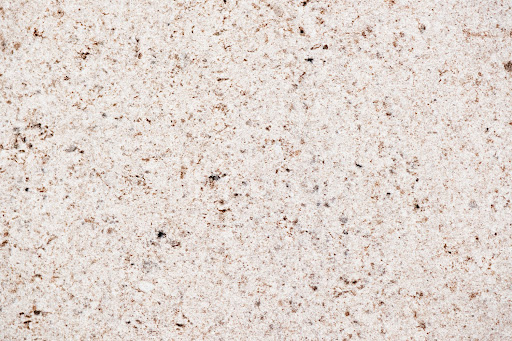
Quartz sand, also known as silica sand, is a granular material composed mainly of silicon dioxide (SiO₂). It originates from the erosion and weathering of quartz-rich rocks over millions of years. The sand particles are typically hard, chemically inert, and highly resistant to weathering. Because of these properties, quartz sand becomes an excellent medium for filtering water, especially in setups that require high-quality filtration media.
Key Characteristics of Quartz Sand
Quartz sand differs from ordinary sand in several meaningful ways:
Real-World Applications of Anthracite in Water Filtration
- High hardness – maintaining its structure even under heavy pressure
- Uniform particle size – crucial for consistent water flow and filtration
- Chemical stability – does not react with water or treatment chemicals
- Low impurity content – ensuring clean, neutral, uncontaminated filtration
These features are the reason industries often look for the best quartz sand or prefer to buy quartz sand online from trusted suppliers. The consistency and purity of quartz sand greatly contribute to its effectiveness and reliability in water filtration systems.
Why Quartz Sand Is Ideal for Water Filtration
While several materials can be used for water filtration, quartz sand is one of the most widely chosen options because of its exceptional filtration properties.
Excellent Particle Retention
Its uniform grain size helps trap suspended solids, dirt, micro-debris, and organic particles that would otherwise escape into the water.
Durability and Longevity
Quartz is extremely hard and resistant to breakdown. Because it maintains shape and structure for years, the filter bed remains stable and effective over long periods.
Natural and Eco-Friendly
Quartz sand is a naturally occurring material, making it environmentally sustainable and safe for drinking water systems.
Affordable and Easy to Source
Compared to synthetic filtration media, quartz sand is inexpensive and widely available, making it ideal for large-scale use.
High Filtration Efficiency
Quartz sand can remove turbidity, suspended solids, and fine impurities. When combined with other filtration layers, it enhances overall depth filtration.
How Quartz Sand Works Inside Water Filtration Systems
Quartz sand provides mechanical filtration, meaning it physically traps particles as water passes through it.
The Filtration Process
- Water enters the filter bed from the top, carrying suspended impurities.
- Surface filtration captures larger particles on the upper layer.
- Depth filtration occurs as smaller particles move downward and get trapped between sand grains.
- Final polishing takes place deeper in the bed, where finer debris is removed.
This multi-stage process ensures that water becomes clearer and safer as it passes through each layer of the sand bed.
Benefits of Using Quartz Sand in Water Filtration Systems
Improved Water Clarity
Quartz sand effectively eliminates turbidity, silt, clay, and suspended solids, providing crystal-clear water suitable for municipal, industrial, and household use.
Cost-Effective Solution
Because quartz sand lasts for years without losing performance, it reduces operating costs and system maintenance requirements.
Low Maintenance
Regular backwashing is sufficient to clean the sand bed and restore filtration efficiency. There is no need for frequent replacements.
High Flow Rate
Quartz sand promotes smooth water passage without clogging, ensuring efficient filtration even under high-pressure systems.
Works Perfectly in Multi-Media Filters
In layered filtration systems, quartz sand acts as the primary medium to trap medium-sized particles, supported by gravel and topped by lighter media like anthracite.
Applications of Quartz Sand in Water Treatment Systems
Municipal Water Treatment Plants
Used to remove turbidity and suspended solids before advanced chemical treatment stages.
Industrial Filtration
Industries like textiles, pharmaceuticals, food processing, and beverages use industrial quartz sand to maintain clean process water.
Swimming Pool Filtration
Quartz sand is highly effective in swimming pools for removing debris like hair, lotions, dust, and organic matter.
Domestic Reverse Osmosis (RO) Systems
It acts as a pre-filtration layer, protecting RO membranes by removing physical impurities.
Wastewater Treatment
Quartz sand plays an important role in filtering sludge, industrial waste, and biological contaminants in wastewater treatment plants.
Choosing the Right Grade of Quartz Sand (Updated)
Quartz sand comes in various grain sizes, and selecting the right grade is essential for maximizing a filtration system’s effectiveness. Fine sand, usually between 0.2 and 0.6 mm, is best suited for capturing extremely small suspended particles that would otherwise pass through medium layers. Medium sand, ranging from 0.6 to 1.2 mm, is commonly used in general filtration applications because it offers a balance between particle removal and flow rate. Coarse sand, which typically falls between 1.2 and 2.5 mm, is used to maintain proper water flow and support the finer layers above it, ensuring structural stability and efficient depth filtration. By choosing the right combination of these sand grades, water filtration systems can achieve superior clarity, better flow control, and long-term performance.
Installation & Maintenance Tips for Quartz Sand Filters
Proper Layering
Quartz sand should be layered correctly in a filtration system—usually placed between coarse gravel at the bottom and lighter filtration media like anthracite at the top.
Pre-Rinsing Before Use
The sand should be thoroughly rinsed to remove dust and fine particles before installation.
Routine Backwashing
Backwashing helps dislodge trapped particles and restore the sand’s filtration efficiency.
Scheduled Replacement
Even though quartz sand is long-lasting, it should be replaced every 2–3 years, depending on usage and water quality.
Quartz Sand vs Other Filtration Media
Quartz Sand vs Silica Sand
Although often confused, high-grade quartz sand usually offers better purity and hardness than standard silica sand.
Quartz Sand vs Activated Carbon
Activated carbon removes odors, chlorine, and dissolved chemicals. Quartz sand removes physical impurities. They complement each other when used together.
Quartz Sand vs Anthracite
Anthracite handles larger particles and organic matter, while quartz sand traps finer suspended impurities. Both are essential in multimedia filters.
Conclusion
Quartz sand continues to be one of the most reliable, efficient, and cost-effective filtration media used across the world. Its natural hardness, chemical stability, and exceptional ability to trap suspended particles make it an indispensable component in modern water purification systems. From municipal treatment plants to home RO systems, quartz sand plays a key role in delivering clean, safe, and clear water.
Whether you’re working with quartz sand for water filtration in industrial plants or looking to buy quartz sand online for household use, choosing quartz sand ensures better performance and long-term stability. For anyone looking to enhance water quality, whether at home or on an industrial scale, quartz sand remains a smart and dependable choice.
Frequently Asked Question
1 What makes quartz sand effective for water filtration?
Quartz sand is highly effective because of its hardness, chemical stability, and uniform grain size. These properties allow it to trap suspended particles and improve overall filtration quality.
2 Is high-quality quartz Sand better than regular sand?
Yes. High-quartz Sand has lower impurities, higher hardness, and better particle consistency, making it far more efficient for water purification systems.
3 Can quartz sand remove all types of impurities from water?
Quartz sand mainly removes physical impurities such as turbidity, silt, suspended solids, and micro-debris. For chemical contaminants, it is often combined with activated carbon or other media.
Q.4 How long does quartz sand last in a filtration system?
With proper backwashing and maintenance, quartz sand can last 2–3 years in most filtration systems, including industrial quartz sand filters.
Q.5 What grade of quartz sand is best for water filtration?
The best quartz sand grade depends on your system. Fine sand removes tiny particles, medium sand supports general filtration, and coarse sand improves flow and stabilizes upper layers.
Q.6 Can I Buy Quartz Sand Online for home or industrial use?
Yes, you can easily Buy Quartz Sand Online from suppliers offering specific grades suitable for RO systems, pool filters, and industrial water treatment plants.
7. Is quartz sand safe for drinking water filtration?
Absolutely. Quartz sand is chemically inert, non-toxic, and does not react with water, making it safe for drinking water purification and long-term use
8. What is the difference between quartz sand and silica sand?
Quartz sand is a purer and harder form of silica sand. It has better filtration performance, making it the preferred choice for quartz sand for water filtration systems.