
How to Choose the Best Filter Media Gravel for Your Water Treatment Needs
When it comes to ensuring safe and clean water, the choice of filtration media plays a significant role in the effectiveness and efficiency of your water treatment system. Among the various media types used in filtration processes, filter media gravel stands out as an essential component in a wide range of applications. Whether you’re looking to remove impurities like dirt, sand, iron, or manganese, premium filter media gravel can provide an efficient and long-lasting solution. However, selecting the right type of gravel is critical for achieving optimal performance.
In this blog post, we will discuss how to choose the best filter media gravel for your water treatment needs, covering everything from its function and key benefits to the factors that determine the quality of gravel. Whether you need it for residential or industrial use, understanding the role of high-quality filter media gravel will help you make a more informed decision for your filtration system
What is Filter Media Sand?
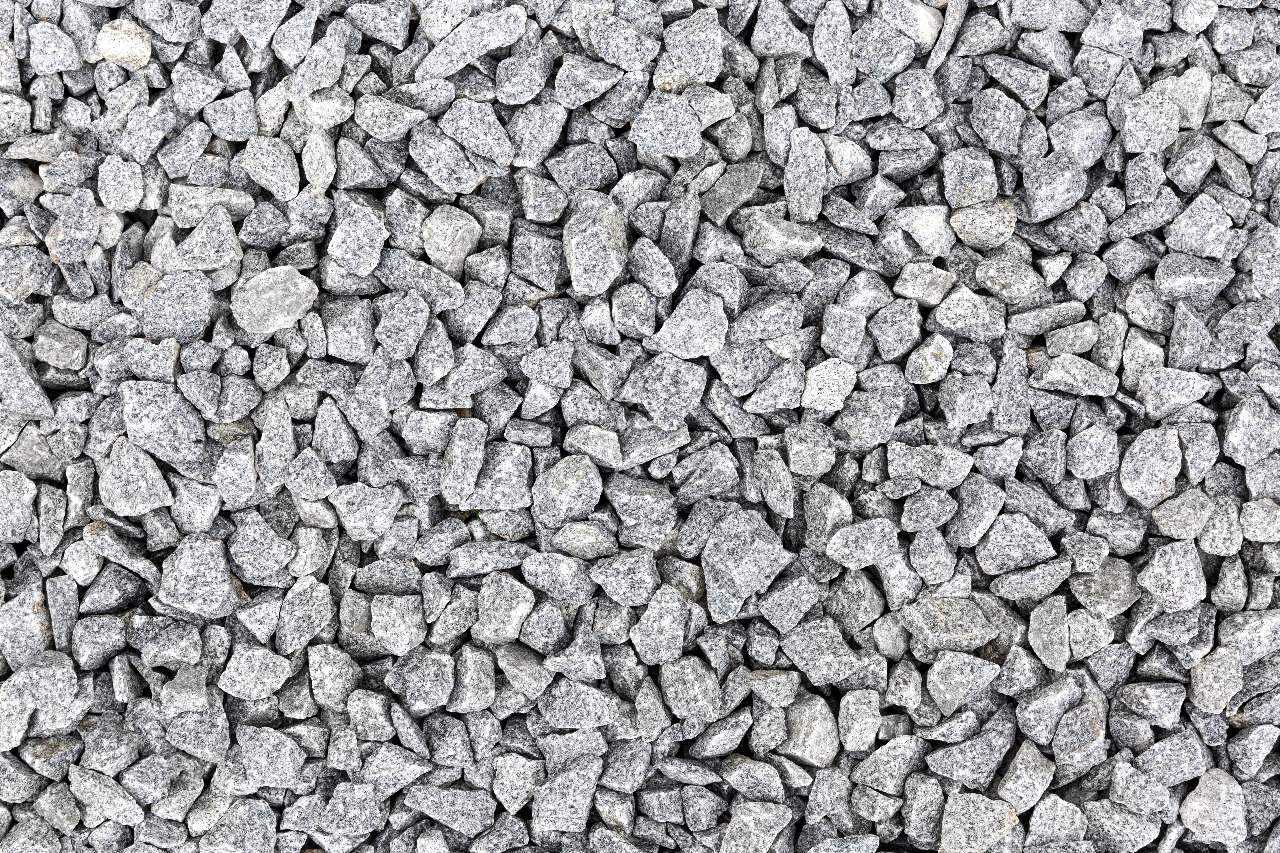
Filter media gravel is a granular material used in water treatment systems to remove impurities and contaminants from water. It is typically made from high-purity quartz or other inert minerals that are durable, non-reactive, and resistant to wear. This gravel serves as the first line of defense in water filtration by physically trapping suspended solids such as sand, dirt, and other particles.
The most common use of filter media gravel is in multi-stage filtration systems, where it acts as a support bed for finer filtration media like activated carbon, Birm, or resin. In such systems, gravel provides the necessary structural support for other filter media while improving the water flow and preventing clogging.
What is Filter Media Gravel?
Filter media gravel is a granular material used in water treatment systems to remove impurities and contaminants from water. It is typically made from high-purity quartz or other inert minerals that are durable, non-reactive, and resistant to wear. This gravel serves as the first line of defense in water filtration by physically trapping suspended solids such as sand, dirt, and other particles.
The most common use of filter media gravel is in multi-stage filtration systems, where it acts as a support bed for finer filtration media like activated carbon, Birm, or resin. In such systems, gravel provides the necessary structural support for other filter media while improving the water flow and preventing clogging.
Why Choose Premium Filter Media Gravel?
Choosing premium filter media gravel is essential for ensuring the long-term efficiency and performance of your water treatment system. High-quality gravel offers several advantages that can make a significant difference in the effectiveness of your filtration process. Below are some of the key benefits of using high-quality filter media gravel:
1. Superior Filtration Performance
Premium gravel is designed to provide optimal filtration, allowing water to flow smoothly through the media without excessive pressure buildup. It helps remove larger particles, debris, and other suspended solids from the water, ensuring that the finer filtration media in the system can function effectively. When combined with other high-performance filter media, such as Birm for iron and manganese removal, premium filter media gravel significantly enhances the overall performance of the system.
2. Longer Lifespan
High-quality filter media gravel is resistant to breakage and wear over time. This means that it can last longer than lower-quality alternatives, reducing the need for frequent replacements and maintenance. When used in industrial-grade filtration systems, premium gravel ensures durability and minimizes the risk of clogging or degradation, ensuring that your filtration system runs efficiently for years.
3. Improved Water Flow
The particle size and consistency of premium filter media gravel ensure that the water flows evenly through the filtration bed. This reduces the likelihood of channeling, a common issue where water bypasses the filter media and reduces the effectiveness of the filtration process. A consistent flow rate ensures that contaminants are properly trapped, improving the overall efficiency of the system.
4. Compatibility with Various Filtration Systems
One of the most significant advantages of industrial-grade filter media gravel is its versatility. It can be used in a wide range of water treatment applications, including residential filtration systems, commercial water filtration units, and large-scale industrial systems. Regardless of the specific contaminants you're targeting, high-quality gravel can work well in combination with other filter media, such as activated carbon, sand, or Birm.
How Does Filter Media Gravel Work in Water Treatment?
Filter media gravel works by providing a physical barrier to larger particles and impurities in water. The gravel particles, along with Water Filter Media Sand, create spaces that allow water to pass through while trapping suspended solids, dirt, and other larger contaminants. While gravel and sand don’t typically remove smaller contaminants, they serve as an essential pre-filter in multi-stage systems.
For instance, in systems designed to remove iron and manganese, filter media gravel works in conjunction with specialized media like Birm. The gravel acts as a support bed for Birm, allowing it to capture and remove these minerals from the water. Additionally, gravel helps to distribute the water evenly across the filtration bed, preventing uneven flow and ensuring that contaminants are effectively filtered out.
Key Considerations for Choosing the Best Filter Media Gravel
When selecting the right filter media gravel for your water treatment needs, several factors should be considered to ensure that you get the most effective and efficient solution. These factors will help you choose the best high-quality filter media gravel for your specific application.
1. Particle Size
The size of the gravel particles plays a critical role in how well it filters water. Smaller gravel particles provide more surface area for trapping contaminants and allow for finer filtration. However, smaller particles may also create more resistance to water flow, leading to increased pressure drop. Larger particles, on the other hand, offer lower resistance and higher flow rates but may not be as effective at trapping smaller contaminants.
When selecting filter media gravel for water treatment, it's important to balance filtration efficiency with flow rate. For example, in industrial applications, you might require larger gravel particles to handle high flow rates, while residential systems may benefit from smaller gravel particles to provide finer filtration.
2. Purity of the Gravel
The purity of the gravel is another critical factor that affects its performance. Premium filter media gravel is made from high-purity quartz or similar materials that are free from impurities that could contaminate the water. Gravel that contains foreign materials, such as clay or organic matter, can leach unwanted substances into the water, reducing the overall effectiveness of the filtration system
When choosing high-quality filter media gravel, always look for products that are made from pure, inert materials to ensure the safety and cleanliness of the water.
3. Gravel Shape and Consistency
The shape and consistency of the gravel particles can also impact the filtration process. Ideally, the gravel should be uniform in size and shape, allowing for even water flow and efficient filtration. Irregularly shaped particles can cause uneven water distribution and lead to areas of the filtration bed where water bypasses the media, reducing its effectiveness.
Premium gravel is typically well-graded and uniform in shape, ensuring that water flows evenly through the filter and contaminants are effectively captured.
4. Intended Application
Different applications require different types of filter media gravel. For example, filter media gravel for water treatment in residential systems may require smaller particles to provide finer filtration, while industrial applications might need larger gravel particles to handle higher flow rates and more significant contaminants.
Consider the specific needs of your filtration system when selecting gravel. If you’re targeting contaminants like iron and manganese, you may need gravel that is compatible with specialized filter media like Birm, which is often used for the removal of these minerals.
5. Cost and Value
While it's tempting to opt for cheaper alternatives, investing in high-quality filter media gravel will provide better long-term value. Premium gravel lasts longer, performs better, and requires less maintenance, ultimately saving you money in the long run.
Ideal Applications for Filter Media Gravel
Filter media gravel is used in various water treatment applications, from residential filtration systems to large-scale industrial operations. Below are some ideal applications for this essential filtration media:
- Iron and Manganese Removal: In systems that target iron and manganese removal, filter media gravel works effectively as a support bed for specialized media like Birm. The gravel provides the necessary structure for the Birm to capture these minerals, improving water quality.
- Drinking Water Filtration: Whether for household or commercial use, premium filter media gravel is used in drinking water filtration systems to remove dirt, debris, and other contaminants, ensuring safe and clean drinking water.
- Industrial Water Treatment: In industrial settings where large volumes of water need to be treated, industrial-grade filter media gravel can handle high flow rates and effectively remove suspended solids, dirt, and debris, helping to meet regulatory standards and maintain operational efficiency.
Final Thoughts
Choosing the right filter media gravel for your water treatment needs is essential for achieving optimal filtration performance. By selecting premium filter media gravel, you ensure that your filtration system operates efficiently, effectively removes contaminants, and lasts longer without requiring frequent maintenance or replacement. Whether you're addressing iron and manganese removal, improving drinking water quality, or enhancing industrial water treatment processes, understanding the role of high-quality filter media gravel will help you make an informed choice. Consider factors like particle size, purity, and the intended application to find the best gravel for your specific filtration needs. In summary, investing in the right filter media gravel can make all the difference in achieving clean, safe, and purified water. Refer to the Essential Guide to Filter Media Sand and be sure to choose the best industrial-grade filter media gravel that meets your system’s requirements and provides lasting performance.
Frequently Asked Question
Q.1 What is filter media gravel, and why is it important for water treatment?
Filter media gravel is a specialized material used in water filtration systems. It provides a stable support structure for other filtration media and helps remove particles, debris, and contaminants from water. It plays a key role in improving the efficiency of water treatment processes.
Q.2 How does filter media gravel work in water treatment?
Filter media gravel works by physically filtering out larger particles and supporting finer media like sand or activated carbon. It allows for proper water flow and ensures that the filtering process removes impurities efficiently, ensuring clean water for various uses.
Q.3 What makes premium filter media gravel different from standard gravel?
Premium filter media gravel is typically made from higher-quality materials that have been carefully sorted and graded for optimal filtration performance. It has a more consistent size and shape, which helps in providing better flow rates and higher filtration efficiency than standard gravel.
Q.4 How do I choose the best filter media gravel for my water treatment system?
To choose the best filter media gravel, consider factors such as water quality, flow rate requirements, and the type of contaminants to be removed. High-quality filter media gravel, typically uniform in size, will ensure consistent filtration and better overall water treatment.
Q.5 What is industrial-grade filter media gravel?
Industrial-grade filter media gravel is a high-quality gravel designed for large-scale filtration systems, such as those used in municipal water treatment plants or industrial processes. It is made from durable materials, providing long-term reliability and high filtration capacity in demanding environments.
Q.6 What are the benefits of using high-quality filter media gravel?
High-quality filter media gravel provides several benefits, including better filtration efficiency, higher capacity for debris and contaminant removal, improved water flow rates, and longer-lasting filtration systems. It also minimizes clogging and reduces the need for frequent maintenance.
Q.7 What size of filter media gravel is best for my water treatment needs?
The ideal size of filter media gravel depends on your system's specific requirements. Finer gravel with smaller particles is best for residential or light industrial use, while coarser gravel may be used for heavy-duty filtration systems to support larger volumes of water and higher flow rates.