
Top Uses of Activated Carbon in Water Filtration and Environmental Protection
Clean water and a healthy environment are essential for life, and Activated Carbon plays a vital role in making both possible. Also known as activated charcoal or activated coal, this versatile material is one of the most powerful natural adsorbents used for purification and pollution control worldwide. Thanks to its highly porous structure, Activated Carbon effectively traps and removes impurities, toxins, and chemicals from air and water. It has become an indispensable solution in industries, municipal water treatment plants, and even household filters. Whether it’s improving drinking water quality or helping industries reduce emissions, Premium Activated Carbon continues to be the key to sustainability and environmental care. This article explores the top uses of Activated Carbon, its effectiveness, and why it’s considered the Best Activated Carbon for modern water and air purification needs.
What is Activated Carbon?
Activated Carbon is a form of carbon that has been processed to have an extremely high surface area and porosity, making it highly effective at adsorption. Its structure allows it to attract and trap particles, chemicals, and toxins from air and water. There are different forms of Activated Carbon, including granules, powders, and pellets, each suited for specific applications. Another form, activated coal, is sometimes used interchangeably with Activated Carbon, although it may differ slightly in production method and adsorption efficiency. Its high adsorption capacity makes it ideal for water purification, air cleaning, and environmental remediation. With the increasing global emphasis on clean water and sustainable solutions, Activated Carbon is considered one of the most versatile and eco-friendly options available.
Activated Carbon for Water Treatment
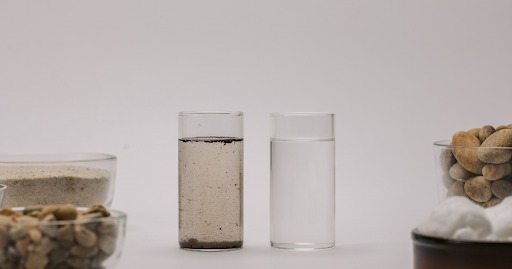
Water quality is a significant concern across the globe, and Activated Carbon for Water Treatment has proven to be an essential solution. It effectively removes chlorine, organic pollutants, chemicals, and unpleasant odors from drinking water, improving both taste and safety. In municipal water treatment plants, Activated Carbon helps eliminate harmful contaminants before water reaches homes. Industries also rely on it for purifying process water, ensuring that their effluents do not harm the environment. Even in households, granular Activated Carbon is commonly used in water filter pitchers, under-sink systems, and refrigerator filters. The ability of Activated Carbon to adsorb a wide range of impurities makes it a reliable and sustainable choice for maintaining high-quality water in various settings. There are two primary forms used:
- Granular Activated Carbon (GAC): Ideal for residential filters and point-of-use systems. It removes chlorine and organic matter, improving taste and odor.
- Powdered Activated Carbon (PAC): Often used in large treatment plants and industrial processes where rapid and large-scale purification is needed.
Air Purification and Industrial Pollution Control
Besides water treatment, Activated Carbon has key applications in air purification as well as pollution control. Filtration of air using activated charcoal has extensive application in both commercial and residential forms of filter to capture gases, odors and volatile organic compounds (VOCs) that may have negative impacts on human life or the environment.
Activated Carbon filter applications for air pollution control and preventing air pollution emissions are used in manufacturing services, chemical processing operations and automotive uses. In residences and offices, most HVAC systems and air purification systems utilize Activated Carbon in their filter systems to capture allergens and chemical odors.
This simple and efficient solution not only promotes good air quality but also contributes to a worldwide effort towards environmental protection. Activated Carbon captures pollutants instead of releasing them back into the air and is thus a simple sustainable solution for cleaner air for breathability.
Activated Carbon in Environmental Cleanup
Environmental cleanup is another critical area where Activated Carbon makes a huge impact. It’s used in soil remediation, oil spill cleanup, and groundwater decontamination to remove harmful chemicals and pollutants.
In soil remediation projects, Activated Carbon absorbs toxic compounds and prevents them from leaching into groundwater. Similarly, during oil spills, it helps capture hydrocarbons and other organic toxins, minimizing environmental damage.
Premium Activated Carbon is also used in wastewater management and landfill leachate treatment, helping industries meet environmental standards and sustainability goals. Its natural ability to trap and neutralize harmful substances makes it an eco-friendly and cost-effective pollution control method, often paired with Filter Media Gravel for enhanced filtration and improved water quality.
Industrial Applications of Activated Carbon
Industries across various sectors rely on Activated Carbon for purification, safety, and quality control. In the food and beverage sector, it is used to remove colorants, impurities, and undesirable compounds from products like sugar, oils, and beverages. The pharmaceutical industry utilizes Activated Carbon to purify raw materials and remove toxins from medicines. Chemical manufacturing plants often employ it to capture emissions, treat wastewater, and prevent contamination. Large-scale water treatment plants use granular and powdered Activated Carbon to ensure safe water supply. Its versatility and high efficiency make Activated Carbon a critical component in industrial processes, safeguarding both products and the environment.
How to Choose the Right Activated Carbon
Selecting the most effective Activated Carbon requires understanding several key factors. The material’s pore size, adsorption capacity, and purity directly affect its performance. Granular Activated Carbon is suitable for water filtration systems, while powdered forms are often used in industrial applications. When choosing products for household or professional use, investing in Premium Activated Carbon ensures better longevity, higher adsorption efficiency, and superior removal of impurities. Additionally, considering the type of contaminants you want to target—such as chlorine, VOCs, or heavy metals—helps in selecting the appropriate product. Combining Water Filter Media Sand with Activated Carbon can further enhance filtration, providing a more comprehensive solution for purifying water and protecting the environment. Making an informed choice ensures maximum effectiveness and sustainability in both water treatment and environmental protection.
- Granular Activated Carbon (GAC): Best for home water filters and aquariums; effective for chlorine removal and taste improvement.
- Powdered Activated Carbon (PAC): Suitable for industrial or municipal water treatment plants where quick and large-scale adsorption is needed.
- Extruded Activated Carbon (EAC): Commonly used in air purification systems, vehicle filters, and gas treatment due to its cylindrical shape and high mechanical strength.
Conclusion
Activated Carbon is a versatile and highly effective material that supports clean water, safe environments, and overall sustainability. From removing chlorine and pollutants in household water filters to controlling industrial emissions and protecting ecosystems, its applications are vast and vital. Using high-quality options like Premium Activated Carbon and Best Activated Carbon ensures superior performance, whether in homes, factories, or water treatment plants. As global awareness of environmental protection grows, incorporating Activated Carbon into daily life and industrial processes is a simple yet powerful step toward a cleaner, healthier world.
Frequently Asked Question
Q.1 What is Activated Carbon made from?
Activated Carbon is typically made from natural materials like coconut shells, wood, peat, or coal, which are heated and activated to create a porous structure for maximum absorption.
Q.2 How does Activated Carbon purify water?
It removes impurities by adsorbing contaminants such as chlorine, pesticides, and organic chemicals onto its surface, leaving water cleaner and safer for consumption.
Q.3 What’s the difference between activated charcoal and activated coal?
Both refer to forms of Activated Carbon, but activated charcoal is often made from organic materials like coconut shells, while activated coal is derived from coal sources.
Q.4 How often should water filters with Activated Carbon be replaced?
Depending on usage and water quality, Activated Carbon filters should typically be replaced every 3 to 6 months for optimal performance
Q.5 Is Premium Activated Carbon reusable or recyclable?
Yes. High-quality Premium Activated Carbon can be reactivated and reused after thermal or steam treatment, making it a sustainable option.
Q.6 Why is Activated Carbon considered eco-friendly?
It’s eco-friendly because it’s made from renewable materials, helps reduce pollution, and can be recycled or reactivated for continued use.
Q.7 Can Activated Carbon remove bad odor from water and air?
Absolutely. Activated Carbon effectively absorbs odors caused by organic compounds, chlorine, and gases, improving the freshness of both air and water.
Q.8 Is Activated Carbon safe for home water filters?
Yes. Activated Carbon is completely safe and widely used in home water purification systems to remove harmful chemicals and improve taste and odor.