
Activated Carbon in Water Filtration: How It Works and Why It’s Essential
Clean and safe water is a basic necessity for human health, industrial processes, and environmental sustainability. However, water from natural and municipal sources often contains impurities such as chlorine, organic chemicals, unpleasant odors, and harmful contaminants. To address these challenges, activated carbon for water treatment has become one of the most widely used and trusted materials in water filtration systems. This article explains how activated carbon water filters work and why they are considered an essential component of modern water treatment solutions.
What Is Activated Carbon for Water Filters
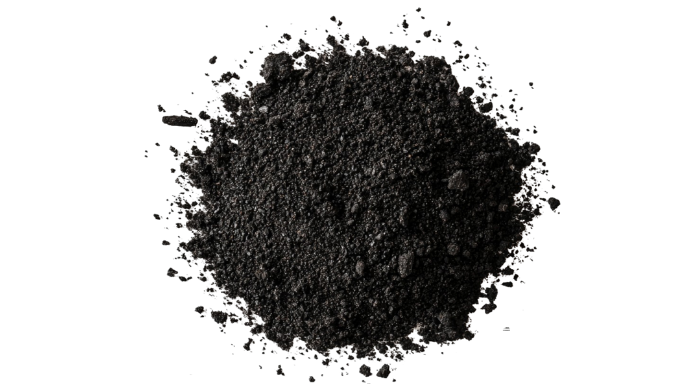
Activated carbon is a highly porous form of carbon that has been specially processed to increase its surface area and adsorption capacity. It is typically produced from carbon-rich raw materials such as coconut shells, coal, wood, or peat.
During the activation process—either thermal or chemical—the material is heated at very high temperatures. This creates millions of tiny pores on the surface, dramatically increasing the surface area. In fact, just one gram of high-quality activated carbon can have a surface area of over 1,000 square meters.
This extensive pore structure is what makes activated carbon extremely effective at trapping contaminants from water.
How Activated Carbon Works in Water Filtration
Activated carbon removes impurities from water primarily through a process called adsorption, not absorption.
- Adsorption occurs when contaminants stick to the surface of the carbon particles
- The vast network of pores provides numerous bonding sites for organic compounds and chemicals.
As water flows through an activated carbon water filter:
- Contaminants such as chlorine, volatile organic compounds (VOCs), and odor-causing substances are attracted to the carbon surface.
- These contaminants are held within the pores, while clean water continues to pass through.
The effectiveness of adsorption depends on factors such as contact time, flow rate, pore size distribution, and the quality of high-quality activated carbon used.
Types of Activated Carbon Used in Water Filtration
Different filtration applications require different forms of activated carbon. The most common types include:
- Granular Activated Carbon (GAC): Granular activated carbon consists of irregularly shaped particles. It allows water to flow easily between granules, making it suitable for large-scale and continuous filtration systems.
- Powdered Activated Carbon (PAC): PAC is finely ground activated carbon, usually added directly to water during treatment. It is commonly used for short-term or emergency treatment applications.
- Carbon Block Filters:Carbon block filters are made by compressing activated carbon into a solid block. This structure provides a larger contact area and better contaminant removal efficiency.
Contaminants Removed by Activated Carbon
Activated carbon is highly effective at removing a wide range of contaminants, including:
- Chlorine and chloramine
- Volatile Organic Compounds (VOCs)
- Pesticides and herbicides
- Industrial solvents
- Taste- and odor-causing compounds
- Organic chemicals and by-products
By removing these substances, activated carbon for water treatment significantly enhances the taste, smell, and overall quality of the water.
Why Activated Carbon Is Essential for Water Filtration
Activated carbon plays a critical role in water filtration for several reasons:
Improves Water Taste and Odor
Chlorine and organic compounds often cause unpleasant taste and smell in water. Best activated carbon efficiently removes these elements, making water more palatable.
Protects Advanced Filtration Systems
Activated carbon is frequently used as a pre-treatment step before membrane-based systems like reverse osmosis. Removing chlorine and organic matter prevents membrane damage and extends system lifespan.
Environment-Friendly Filtration
Activated carbon filtration does not rely on harsh chemicals, making it a safe and environmentally responsible water treatment solution.
Cost-Effective and Reliable
Compared to advanced chemical or membrane treatments, activated carbon offers high efficiency at a relatively low operational cost.
Activated Carbon vs Other Filter Media
Activated carbon works differently from other common filter media like sand, gravel, or ceramic. While sand and gravel primarily remove suspended solids and turbidity, activated carbon water filters target dissolved organic chemicals, chlorine, and odor-causing compounds. Unlike reverse osmosis or distillation, which remove dissolved salts and minerals, activated carbon focuses on improving taste, odor, and chemical safety. Often, it is used in combination with other filtration media to create a multi-stage system, ensuring comprehensive water purification while maintaining efficiency and cost-effectiveness.
Factors Affecting Activated Carbon Water Filter Performance
Several factors influence how well high-quality activated carbon performs in water filtration:
- Quality and source of the carbon
- Pore size distribution
- Water flow rate and pressure
- Temperature and pH of water
- Proper system design and maintenance
Selecting the right grade of activated carbon suppliers ensures optimal performance and reliable water quality.
Maintenance and Replacement of Activated Carbon Filters
Over time, the pores in activated carbon become saturated with contaminants, which reduces its effectiveness. Regular maintenance is essential to ensure optimal water quality. Signs that a carbon filter needs replacement include a return of bad taste or odor, reduced filtration performance, and increased chlorine levels. Replacement intervals can vary depending on water quality and usage, but timely maintenance is key to maintaining consistent water quality and system efficiency.
Advantages and Limitations of Activated Carbon Water Filters
Advantages
- High adsorption capacity Effectively traps a wide range of contaminants
- Immediate improvement in water quality: Quickly enhances taste, odor, and clarity.
- Safe, natural, and chemical-free: Provides eco-friendly filtration without added chemicals.
- Compatible with multiple systems: Can be integrated into residential, commercial, or multi-stage filtration setups.
Limitations
While highly effective, activated carbon does have some limitations:
- Does not remove dissolved salts: Ineffective for desalination or mineral removal.
- Limited removal of certain heavy metals: May need additional treatment for metals like lead or arsenic.
- Requires periodic replacement: Saturated carbon loses effectiveness over time and must be replaced regularly.
Choosing the Right Activated Carbon Water Filter
Selecting the right activated carbon is essential to ensure optimal water filtration. Consider factors such as:
- Type of filtration needed: Granular activated carbon (GAC) for continuous flow systems or carbon block for point-of-use filters.
- Contaminants to remove: Identify whether you need to target chlorine, taste and odor issues, or specific organic compounds.
- Flow rate and system design: Higher flow rates may require larger or more efficient carbon media to maintain effectiveness.
- Quality and certification: Choose the best activated carbon that meets industry standards to ensure safety and reliable performance.
- Sand Layering: Multi-layer sand beds with varied grain sizes improve filtration and reduce wear.
Using high-quality activated carbon tailored to your system helps maintain water quality, extends filter life, and maximizes contaminant removal efficiency.
Conclusion: Activated Carbon for Safe Water Filtration
Activated carbon for water treatment remains one of the most effective and essential materials in water filtration systems. Its unique adsorption properties, versatility, and cost-effectiveness make it indispensable for improving water quality. By understanding how activated carbon water filters work and selecting the right type from trusted activated carbon suppliers, you can ensure safer, better-tasting, and more reliable water for everyday use.
Frequently Asked Question
Q.1 How does activated carbon remove impurities from water?
Activated carbon purifies water through adsorption, where its porous structure traps chlorine, organic compounds, chemicals, and other contaminants. This process effectively improves water quality, taste, and safety for daily drinking and household use.
Q.2 How often should an activated carbon filter be replaced?
Activated carbon filters should generally be replaced every 3–6 months, depending on water usage and quality. Timely replacement ensures continued removal of chlorine, odors, and contaminants, maintaining optimal water purification and filter efficiency.
Q.3 Can activated carbon improve the taste and smell of water?
Yes, activated carbon removes chlorine, volatile organic compounds, and other odor-causing substances. This improves the taste, smell, and overall quality of drinking water, making it fresher, cleaner, and more enjoyable for everyday use.
Q.4 Is activated carbon environmentally friendly?
Activated carbon is an eco-friendly, chemical-free filtration solution. It can often be regenerated or safely disposed of after use, minimizing environmental impact while providing safe, clean water for residential, commercial, and industrial uses.
Q.5 Can activated carbon remove heavy metals from water?
Activated carbon can reduce some heavy metals like copper or mercury, but it may not fully remove metals like lead or arsenic. For complete heavy metal removal, additional filtration methods such as reverse osmosis are recommended.
Q.6 Are all activated carbon filters the same?
No, activated carbon filters vary in type, quality, and pore size, such as granular, powdered, or carbon block. These differences affect their filtration efficiency, contaminant removal capacity, and suitability for specific water treatment uses.
Q.7. Is activated carbon effective in water filters?
Yes, activated carbon is highly effective in water filters, removing chlorine, organic chemicals, odors, and improving the taste of drinking water.
Q.8 What is the cost of 1 ton of activated carbon?
The price of 1 ton of activated carbon varies depending on quality, type, and supplier. High-quality activated carbon may cost more but offers better performance and longevity.
Q.9 Is a carbon filter safe for drinking water?
Absolutely. Carbon filters are safe for drinking water when made from high-quality activated carbon and maintained properly with timely replacements.
Q.10. Can a carbon filter reduce TDS in water?
No, carbon filters primarily remove chlorine, organic compounds, and odors. They are not designed to reduce Total Dissolved Solids (TDS); for TDS reduction, a reverse osmosis system is recommended.